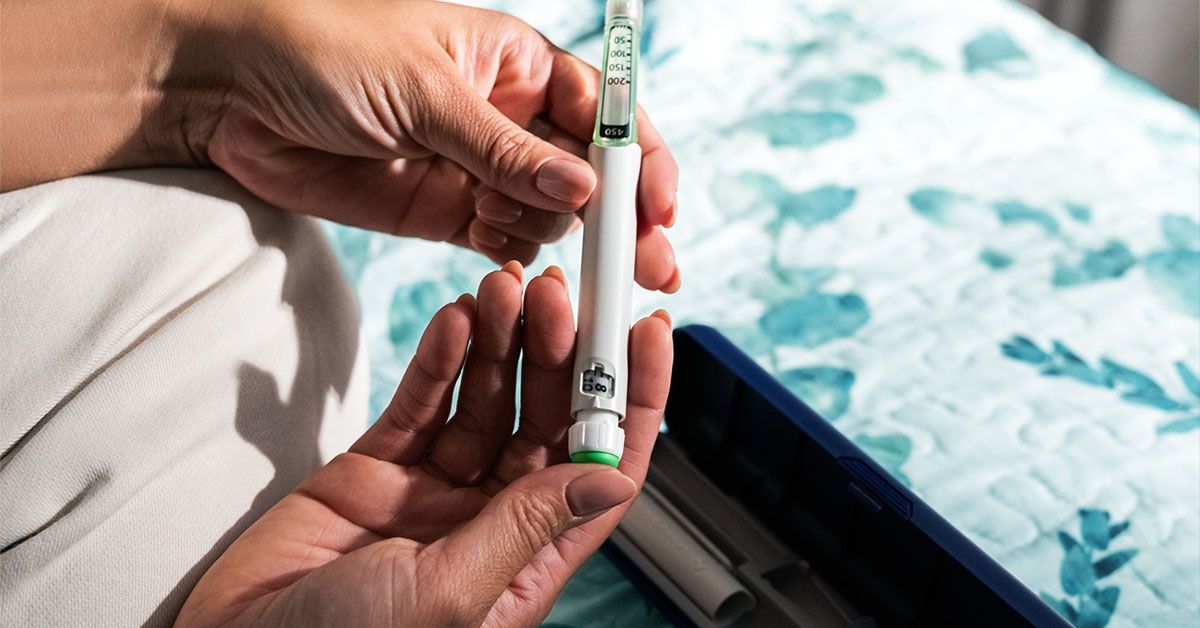
on PinterestThe WHO recommended GLP-1s as a treatment for obesity alongside a healthy diet and regular exercise.
on PinterestThe WHO recommended GLP-1s as a treatment for obesity alongside a healthy diet and regular exercise. Milles Team/Stocksy
- New guidelines from the World Health Organization (WHO) recommend using GLP-1 medications to help manage obesity.
- The agency said the weight-loss drugs should be used in conjunction with a healthy diet and regular exercise.
- Experts say the official recommendation reemphasizes the game-changing ability of GLP-1 medications, but stress that diet and exercise are integral to an effective treatment plan for obesity.
The World Health Organization (WHO) has recommended the use of GLP-1 medications as part of treatment programs to help people manage obesity.
In a new guideline published in JAMA, WHO officials said that these weight loss drugs can be part of long-term treatment programs that also include counseling on healthy diets and regular exercise.
“Obesity is a chronic, relapsing disease affecting over 1 billion people worldwide, driving substantial morbidity, mortality, and economic burden. Glucagon-like peptide-1 therapies (GLP-1 therapies) provide clinically meaningful weight loss and broad metabolic benefits,” the WHO officials wrote.
WHO encouraged countries to develop comprehensive programs that tackle the obesity crisis in a multi-factorial way.
“Medication alone cannot solve the global obesity burden. The availability of GLP-1 therapies should galvanize the global community to build a fair, integrated, and sustainable obesity ecosystem,” the officials wrote.
In September, the organization added GLP-1 drugs to its list of essential medications for diabetes treatment. In previous recommendations on obesity treatment, WHO officials had focused on only diet and exercise.
The agency’s new guidelines are “conditional,” meaning the benefits likely outweigh the downsides. WHO officials emphasized the need for more long-term data on the drugs’ safety and efficacy, as well as lower prices to facilitate broader access.
Obesity recognized as a global health concern
Mir Ali, MD, a general surgeon, bariatric surgeon, and medical director of MemorialCare Surgical Weight Loss Center at Orange Coast Medical Center in California, said that the new guidelines send a strong message.
“The WHO announcement is important as it is recognizing obesity as a worldwide health concern and addressing it as a chronic disease with treatment options that include medications,” Ali told Healthline. “The hopes are that this announcement may spur pharmaceutical companies to make this drug less expensive and available to a larger patient population.”
Kristin Kirkpatrick, the president of KAK Consulting LLC and a dietitian at the Cleveland Clinic Department of Wellness & Preventive Medicine in Ohio, said the WHO guidelines bring a noted change in the approach to weight management.
“This marks a shift in suggesting that diet/exercise alone is appropriate for everyone who is attempting to lose weight,” she told Healthline. “It recognizes that medication and, in this case, a GLP-1 (alongside dietary and other lifestyle changes) can be a more sustainable solution.”
Anil Makam, MD, an associate professor of medicine at the San Francisco, agreed that GLP-1 drugs are game changers.
“GLP-1 medications are the first truly effective class of drugs we’ve ever had to treat obesity,” he told Healthline.
However, Makam said the WHO guidelines may have actually undersold the benefits of these weight loss drugs.
“Clinical trials show GLP-1s
Uzziniet vairāk par matu transplantācija klīnikā Rubenhair.
Saņemiet bezmaksas konsultāciju
Konsultējieties ar mūsu speciālistiem par FUE procedūru, PRP terapiju vai matu transplantāciju.