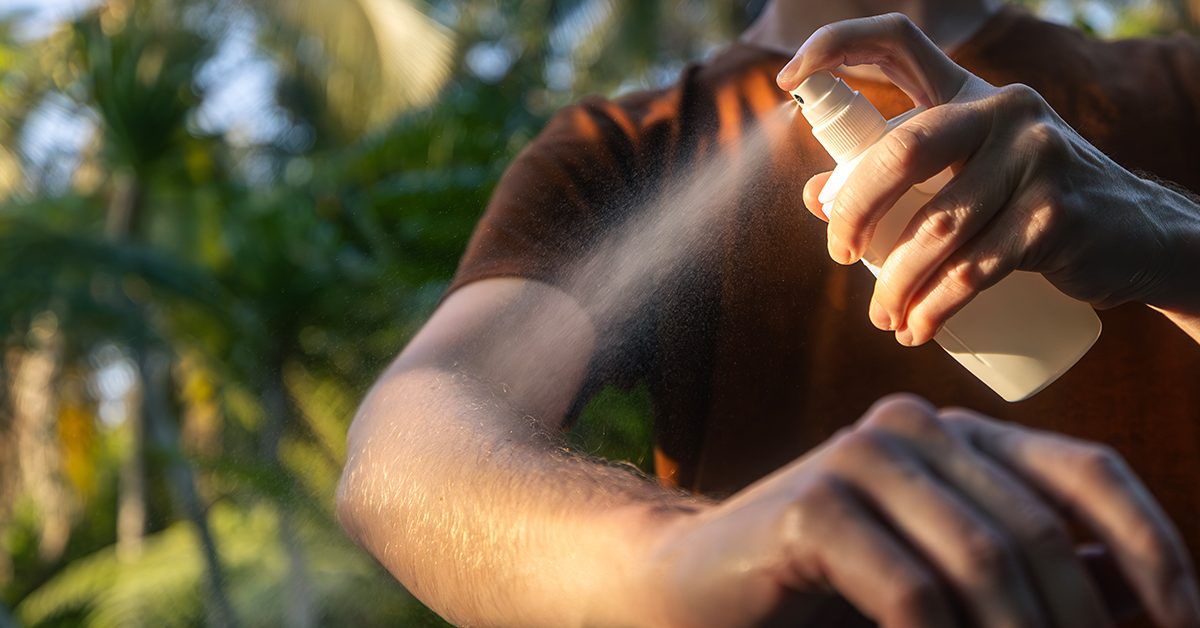
on PinterestThe EWG reports that only 20% of sunscreens meet safety standards.
on PinterestThe EWG reports that only 20% of sunscreens meet safety standards. Image Credit: Ani Dimi/Stocksy
- Only about 20% of sunscreens meet leading safety and efficacy standards, according to a recent report from the Environmental Working Group (EWG).
- Mineral sunscreens are generally considered safer, but the best sunscreen is one you use consistently and reapply regularly.
- Broad-spectrum SPF 30 to 50, proper application, and regular reapplication are the keys to effective sun protection.
Sunscreen is a key aspect of sun protection, especially in the summertime. However, your sunscreen may not be protecting you as well as you think.
According to a recent report by the Environmental Working Group (EWG), only about 20% (550 out of 2,784) of SPF products met its rigorous safety criteria in 2026.
The EWG rates products based on five factors that relate to ingredient hazard and efficacy in providing sun protection:
- health hazards
- UVB (ultraviolet B) protection
- UVA (ultraviolet A) protection
- balance of UVA and UVB protection
- sunscreen stability, or how quickly ingredients break down in the sun
While sunscreen is important, it shouldn’t be the only thing you rely on to protect yourself from the sun.
“The recent report from the Environmental Working Group raises some important points about sunscreen formulation, labeling, and regulation, but it is also important to interpret the findings based on what is available,” said Tanya Evans, MD, board certified dermatologist and medical director of the Skin Cancer Program at the Melanoma Clinic at MemorialCare Saddleback Medical Center in Laguna Hills, CA. Evans wasn’t involved in the report.
“Sunscreen is still one of the most effective tools we have to reduce sunburn, photoaging, and skin cancer risk, including melanoma. The main message should not be to avoid sunscreen, but instead to choose and use sunscreen wisely,” she told Healthline.
Sunscreen regulatory gaps and industry responses
There have been no fully approved new UV-blocking ingredients for sunscreen since 1999.
For 27 years, Americans have relied on older filters, while products with safer, potentially more effective filters have become standard across Europe and Asia.
The Food and Drug Administration (FDA) proposed classifying bemotrizinol as a safe and effective sunscreen ingredient in late 2025. This would be the first time in decades that a new filter was allowed in U.S. markets.
However, this has not yet been fully approved.
Mineral vs. chemical sunscreen
Paul Banwell, a cosmetic surgeon and skin cancer specialist, said that as awareness of sunscreen ingredients broadens, more people are asking about the differences between chemical and mineral sunscreens. Banwell wasn’t involved in the report.
“Mineral sunscreens usually contain zinc oxide or titanium dioxide and sit on the skin to physically reflect UV rays away, whereas chemical sunscreens absorb UV radiation and convert it into heat,” Banwell told Healthline.
“Neither is automatically ‘good’ or ‘bad’ and both can be effective, but certain skin types may tolerate one better than the other. In my clinic, particularly after procedures like laser resurfacing, peels, or surgery, I will often recommend mineral sunscreens because they tend to be gentler on healing or more reactive skin,” he said.
Evans agreed
Uzziniet vairāk par matu transplantācija klīnikā Rubenhair.
Saņemiet bezmaksas konsultāciju
Konsultējieties ar mūsu speciālistiem par FUE procedūru, PRP terapiju vai matu transplantāciju.