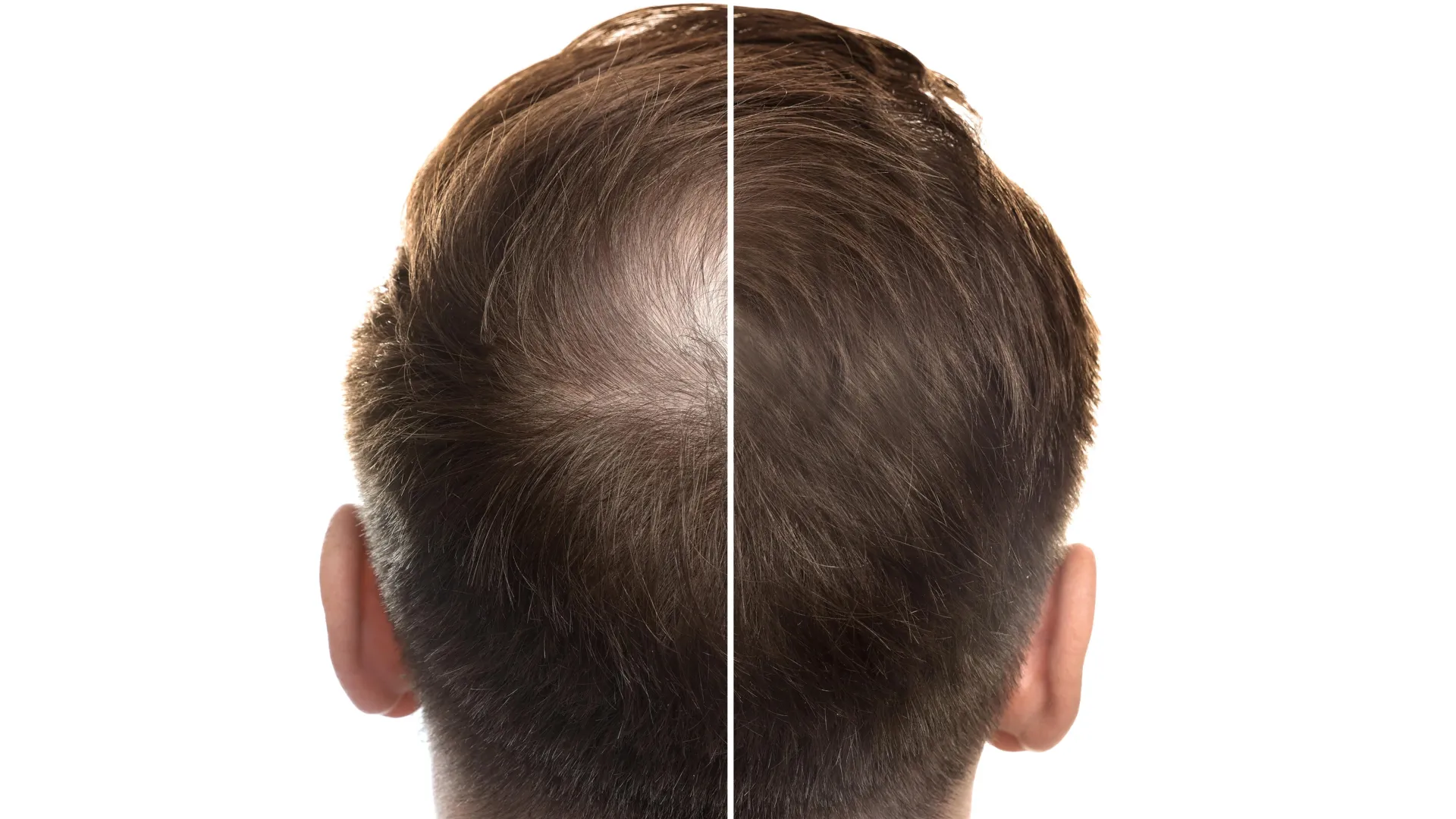
a rephrased version of the article, formatted with HTML paragraph tags for a clinic website: Hair Loss Treatment Options and Considerations At our clinic, we understand that hair loss can be a distressing issue for both men and women.
a rephrased version of the article, formatted with HTML paragraph tags for a clinic website:Hair Loss Treatment Options and Considerations
At our clinic, we understand that hair loss can be a distressing issue for both men and women. While some treatments are available by prescription or over-the-counter, others are still in the experimental stages.
- New medications are being developed to treat hair loss in males and females, with several currently in clinical trials.
- Stem cell and fatty acid treatments are also being studied as potential solutions for hair loss caused by androgenetic alopecia.
- Established treatments like Rogaine and Propecia have been proven effective, affordable, and widely available.
According to estimates, approximately 85% of men and 33% of women will experience some form of hair loss during their lifetime. By age 30, around 25% of men and 12% of women will begin to notice significant hair loss.
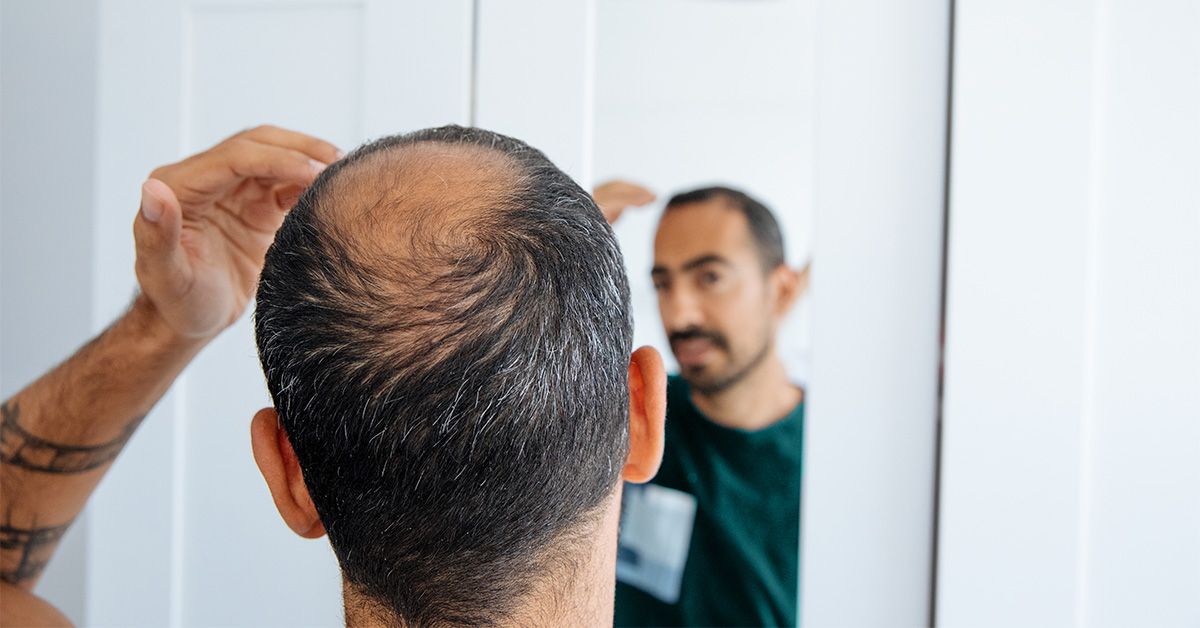
The most common cause of hair loss in men is an inherited condition known as androgenetic alopecia, also referred to as male pattern baldness. In females, this condition typically results in thinning hair along the scalp, while the frontal hairline remains intact.
Alopecia areata, another type of hair loss, is an autoimmune disease that affects the immune system's ability to recognize and attack hair follicles. This condition can result in patchy hair loss on the scalp and other areas of the body, affecting approximately 7 million people in the United States at some point in their lives.
Should You Pursue Hair Loss Treatment?
While some individuals may choose to accept their hair loss, others may find that treatment is a more suitable option. At our clinic, we believe that every individual's circumstances are unique and should be carefully considered on a case-by-case basis.
We spoke with Dr. Carolyn Goh, an associate clinical professor in dermatology at the UCLA David Geffen School of Medicine, who shared her perspective on hair loss treatment. "Acceptance can be liberating," she said, "but it's not the only avenue for managing one's hair loss."
Dr. Spencer Kobren, founder of the American Hair Loss Association, cautions individuals with hair loss to carefully evaluate new treatments and consider their long-term efficacy before making a decision.
We also recommend consulting with a board-certified physician who specializes in hair restoration surgery, such as Dr. Ken Williams Jr., DO, founder of Orange County Hair Restoration in California. "Patients need to be aware that there are many doctors and clinics claiming expertise in hair loss treatment," he said. "The reality is that long-term medical and surgical management for hair loss is best done by a board-certified physician who is a diplomate of the American Board of Hair Restoration Surgery (ABHRS)."
Current Treatment Options
We offer a range of treatment options at our clinic, including established medications like Rogaine and Propecia. Our team will work with you to determine the best course of action for your individual needs.
Learn more about hair transplant at Rubenhair clinic.
Get a Free Consultation
Consult with our specialists about FUE procedure, PRP therapy or hair transplant.